Learn Why Bass Lures Are Vital for Effective Angling Experiences
Bass entices play an important function in improving the fishing experience. These tools successfully imitate the all-natural prey of bass, triggering second-nature reactions. Picking the suitable lure can dramatically influence a fishermen's success based on numerous variables like water conditions and seasonal modifications. Understanding the nuances of appeal choice and usage is crucial. Anglers frequently overlook some critical aspects that can make all the distinction in their angling undertakings.
Understanding the Various Kinds Of Bass Tempts
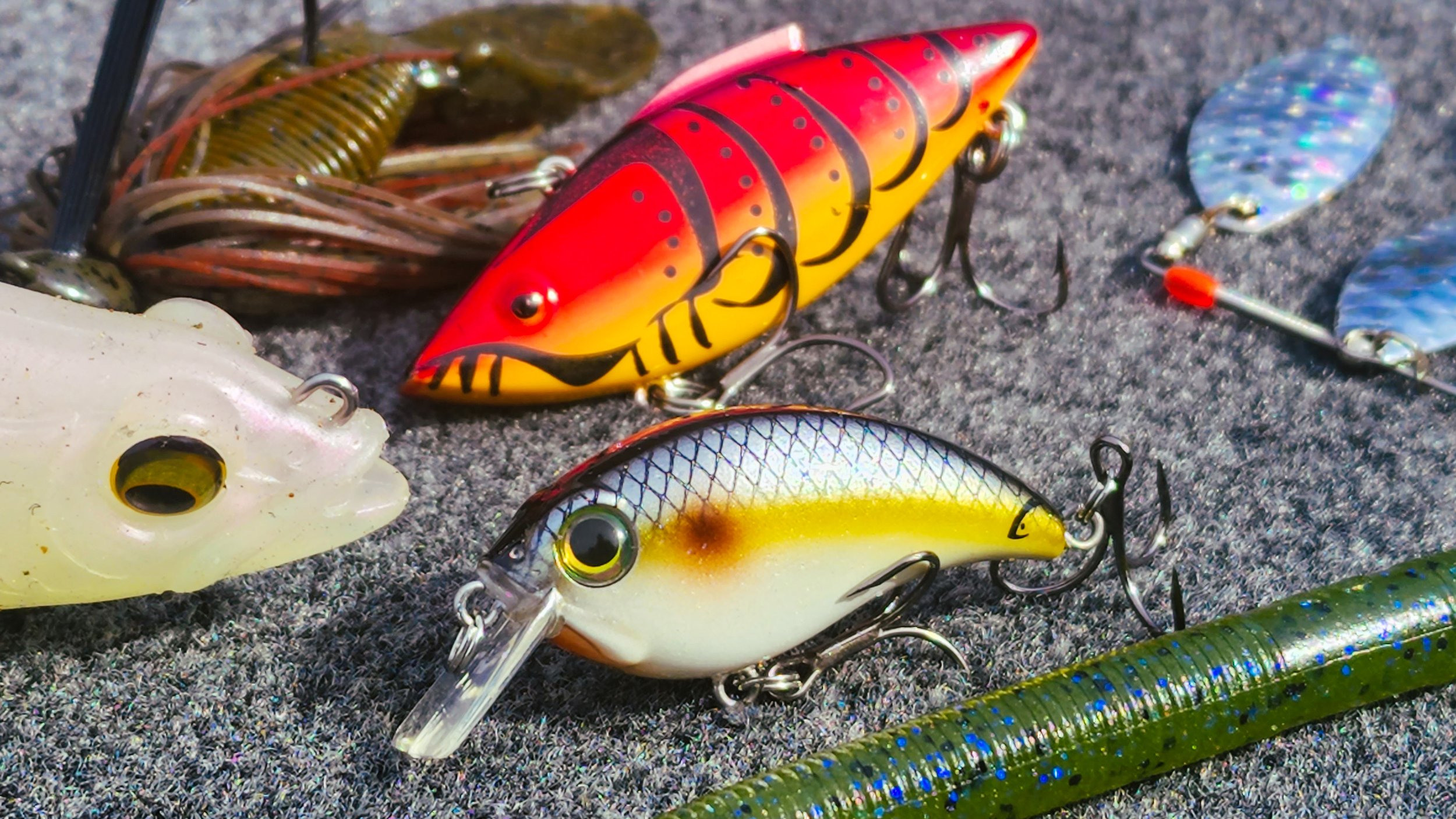
Bass fishing enthusiasts recognize the importance of choosing the appropriate lure to attract their target species (Bass Fishing Lures). Various kinds of bass Lures exist, each developed to mimic the all-natural prey of bass. Crankbaits, as an example, are hard-bodied Lures that create resonances and irregular activities, making them reliable for covering large areas of water. Soft plastics, consisting of worms and creature baits, provide flexibility and can be set up in several ways to tempt bass hiding in cover. Spinnerbaits, with their rotating blades, generate flash and vibration, appealing to bass in murky waters. Jerkbaits, often made use of for their realistic action, can prompt hostile strikes. Topwater Lures produce surface area commotion, appealing to bass during feeding durations. Recognizing these attraction kinds permits anglers to adapt their methods, enhancing their chances of an effective catch. Each lure offers a special function, making them necessary devices in the bass fishing collection
Just how to Choose the Right Entice for Various Conditions
Picking the ideal attraction for bass angling calls for an understanding of various environmental variables, specifically water temperature and weather condition problems. Cold water might necessitate slower, more subtle appeals, while warmer temperature levels might ask for extra hostile choices. Furthermore, altering weather condition patterns can considerably affect fish habits, additional assisting the option procedure.
Water Temperature Considerations
As water temperature fluctuates, the behavior and feeding practices of bass change, making it vital to choose the ideal attraction for optimum success. In cooler temperatures, bass tend to reduce and like slower-moving Lures such as jigs or soft plastics, which resemble sluggish target. As temperature levels rise, bass end up being more receptive and energetic to quicker presentations like spinnerbaits or crankbaits. During the warmer months, topwater Lures can be especially effective, as bass are typically discovered feeding near the surface area. Alternatively, in severe heat, deeper diving Lures might be essential to get to fish that resort to cooler, deeper waters. Understanding these temperature-related dynamics enables anglers to make informed selections, enhancing their opportunities of an effective angling experience.
Weather Condition Effect on Attractions
Weather significantly affect fishing success, making it vital for fishermens to adapt their lure option accordingly. On bright days, reflective surface areas and bright shades can bring in bass, as the fish are commonly a lot more energetic and feeding near the surface area. On the other hand, overcast conditions develop a demand for darker or more all-natural shades, as fish might seek shelter in much deeper waters. Wet weather condition can trigger making use of topwater Lures or spinnerbaits, which produce noise and vibrations to draw interest. Windy days might call for much heavier Lures that can puncture the water and stay steady. Best Bass Fishing Lures. By taking into consideration these variables, fishermens can improve their possibilities of success and guarantee an extra efficient fishing experience
The Function of Shade and Activity in Drawing In Bass
The effectiveness of bass lures significantly pivots on their shade and activity, both of which play critical functions in drawing in fish. Color affects a bass's decision to strike; bright shades can stand out in dirty waters, while natural tones match the forage located in clearer conditions. Fishermens typically select shades based on water quality, weather condition, and time of day to maximize their chances of success.
Activity describes the movement of the attraction in the water, which simulates victim habits. Whether it's a quickly fetch or a slow, irregular movement, the activity of the appeal can trigger a predative action in bass. Lures that imitate injured or running away lure are specifically efficient, as they stimulate natural reactions. By meticulously choosing both color and action, fishermens can considerably improve their attractions' capacity to tempt bass, making these elements vital considerations for any effective angling journey.
Leading Strategies for Making Use Of Bass Lures Successfully
Picking the best color and action for bass Lures is just the start; understanding how to successfully use these Lures can dramatically enhance an angler's success. One key strategy includes differing the retrieval speed. Slow, constant retrieves can tempt tired bass, while a quick, irregular activity may provoke hostile strikes. Furthermore, comprehending the value of pauses throughout the recover can create chances for a bass to strike when the attraction appears prone.
Seasonal Factors To Consider for Bass Lure Choice
Seasonal changes considerably influence the behavior of bass, necessitating different appeal strategies throughout the year. In springtime, fishermens commonly concentrate on Lures that mimic spawning activities, while winter fishing may ask for slower, more refined discussions. Comprehending these seasonal dynamics can boost success in choosing the appropriate Lures for bass fishing.
Springtime Draw Strategies
As temperature levels start to rise and water degrees maintain, fishermens deal with an essential opportunity to adapt their attraction choice for springtime bass angling. Throughout this period, bass end up being much more energetic and start moving toward generating grounds, making them much more at risk to different lures. Anglers need to take into consideration using soft plastics, such as worms and lizards, which imitate the all-natural target bass are looking for. Crankbaits and spinnerbaits can also work, specifically in shallow waters where bass gather. Furthermore, topwater Lures can entice hostile strikes throughout warmer days, specifically early in the morning or late at night. By adjusting their lure options to match the altering habits and habitat of bass in springtime, fishermens can substantially improve their chances of an effective angling journey.
Winter Fishing Techniques
While winter season brings chillier temperature levels and a change in bass actions, fishermens can still discover success by adjusting their attraction techniques to the problems. Throughout this season, bass end up being much less energetic and have a tendency to stay much deeper in the water, making it crucial to pick Lures that can get to these midsts. Jigs and slow-moving soft plastics are especially reliable, as they imitate the slower motion of victim fish. Anglers ought to also take into consideration making use of darker colors, which can be much more noticeable in dirty winter waters. In addition, integrating a slow-moving obtain can tempt bites, as bass are less most likely to chase fast-moving appeals. By recognizing these seasonal factors to consider, anglers can enhance their chances of a successful winter season angling journey.
Upkeep Tips for Extending the Life of Your Appeals
Effectively preserving angling Lures is necessary for fishermens wanting to optimize their performance and durability. Routine cleansing after each fishing journey is essential; anglers ought to rinse Lures with fresh water to remove salt, dirt, and debris. This prevents deterioration and maintains the attraction's coating.
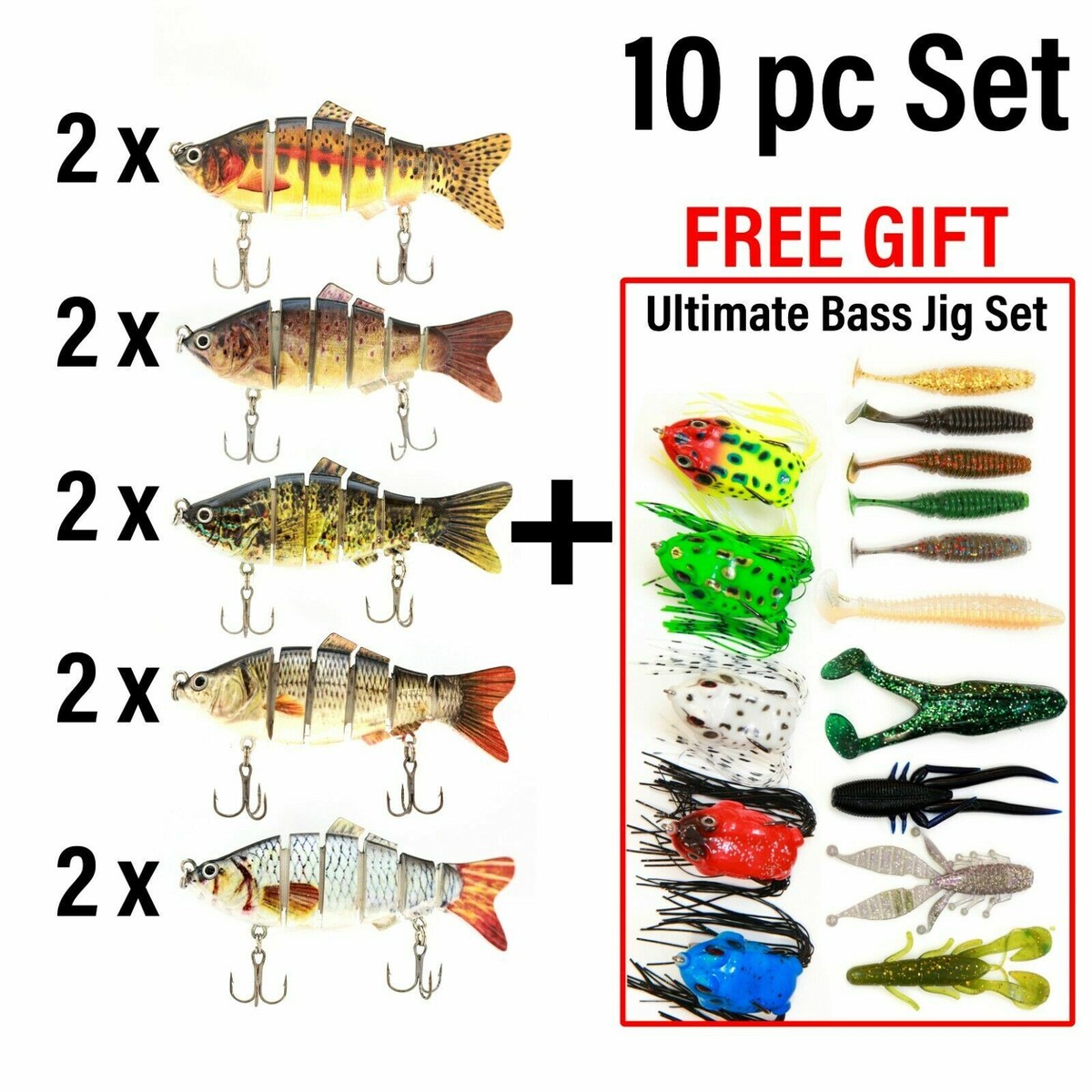
Checking Lures for damages is another vital step. Anglers ought to inspect hooks for monotony or corrosion and replace them as essential. Furthermore, making sure that split rings and other hardware are secure can protect against the loss of useful Lures throughout fishing.
Often Asked Questions
Just How Do Weather Affect Bass Lure Performance?
Weather substantially affect bass attraction effectiveness. Elements such as temperature level, cloud cover, and wind can alter fish actions, making particular Lures much more enticing. Anglers have to adapt their options based on these altering environmental conditions for optimal outcomes.
Can I Utilize Bass Lures for Other Fish Variety?
Yes, bass Lures can be effective for other fish types. Their lively shades and tempting activities attract various freshwater and saltwater fish, making them functional tools for fishermens looking for to catch various kinds of fish.
What Is the very best Time of Day for Bass Angling With Lures?
The most effective time of day for bass fishing with Lures is normally morning and late evening. Throughout these periods, bass are much more energetic, making them most likely to strike at Lures presented in their environment.
How Do I Shop My Lures to Prevent Damage?
To stop damage, Lures must be kept in a great, dry area far from direct sunshine. Making use of deal with boxes with individual areas helps preserve their form and secures them from tangling and potential wear in time.
Are There Certain Lures for Catch-And-Release Fishing?
Yes, certain Lures designed for catch-and-release fishing are available. These Lures often have barbless hooks or are made from softer products, lessening injury to the fish and raising their chances of survival after launch.